
Celebrations of life
A formal ceremony that brings family and friends together to pay respects and share memories.
Saying goodbye is never easy, but we believe that planning a funeral service, memorial, or other celebration of life that captures their essence should be. Our personalized services allow you to choose each detail thoughtfully and infuse the story of your loved one's life into every aspect.
Every life deserves to be remembered in a way that feels true. We offer a range of services tailored to honor the person you knew, whether through traditional ceremonies or intimate gatherings.

A formal ceremony that brings family and friends together to pay respects and share memories.

A celebration of life held after cremation or burial, allowing time for loved ones to gather and reflect.
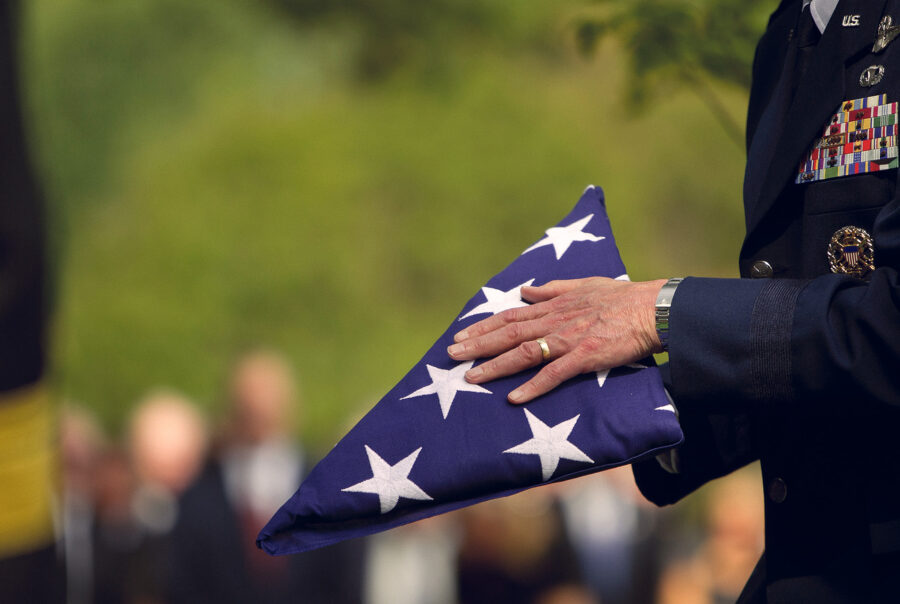
An intimate ceremony at the cemetery, offering a quiet moment of farewell in a peaceful setting.
Funeral planning requires a lot of decisions - from big concepts to tiny details - that happen at a time you're least prepared to make them. Our staff will walk you through each step, managing logistics and paperwork so you can focus on surrounding yourself with the support you need during this difficult time.
Beyond the traditional ceremony, we offer flexible arrangements that fit your family's needs and preferences. Each option stands ready to serve your vision.

Making decisions now gives your family peace of mind later. We help you document your wishes and secure your arrangements.

Those who served deserve recognition. We coordinate with military organizations to ensure proper protocols and ceremonies.

When someone passes far from home, we manage the careful logistics of returning them to family. We handle every detail with dignity.
Visit our Funeral Planning page to explore pre-arrangements and customized service options.
Thoughtful guidance for your family's journey


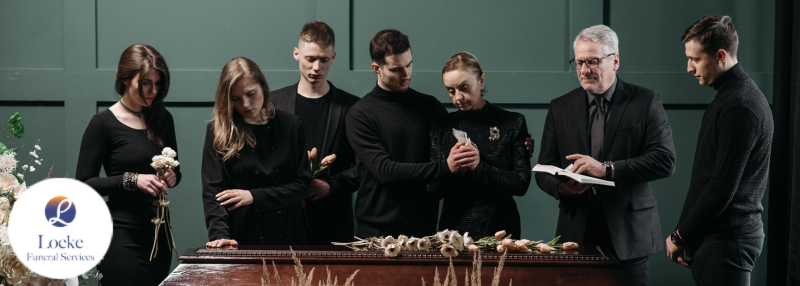
Losing a loved one is a difficult time. If you're not sure where to start or need help in the wake of a death, contact us or explore our grief resources.
Wondering what advanced funeral planning is really about? Explore our frequently asked questions to get all the information you need to plan ahead.
A funeral is not a service or single event. It is a series of events that occur over time following a death.
Archeologists have found evidence that mankind has faced death with events, rituals, and customs for over 60,000 years. In fact, across time and culture, one constant is the basic human need to mourn the loss of someone close to us or a member of our community.
The specific events, rituals, and customs may vary across time and culture, but the basic components are very similar. Talking about the components, similarities, or differences encompasses entire college courses of study. No matter the specifics, there are basically two things that mankind has tried to address through the development of custom and ritual.
The first is to gather the people you care about at the time of a death. It is by supporting each other, grieving together, and sharing memories that we begin to adjust to a loss and begin the mourning process.
The second thing that mankind attempts with the funeral is to keep the person who has died close to us. If you examine rites, rituals, visitations, vigils, cemeteries, the pyramids, and many other things, they exist to keep those who have died close to us. In Victorian times, there were lockets designed to carry a lock of hair of departed relatives. There are many examples of our attempt to keep a person physically near or spiritually present.
Funeral rites, funeral ceremonies, memorial services, and celebration of life services are all examples of parts of a funeral, but not the entire funeral.
Each of the three services listed, Funeral Service, Memorial Service, and Celebration of Life, is a term used to describe an organized event, service, or ritual. There is no definition for what comprises the three or their content.
It is generally understood that a Funeral Service is a traditional, religious service with the body present, featuring a pattern of prayer, scripture or readings, and music, held in a traditional setting like a church or funeral home.
A Memorial Service is often considered similar to a Funeral Service, but without the body present. Either because the body has already been cremated or a burial has occurred.
A Celebration of Life service is a relatively new descriptor with no common understanding of what it means. It can mean a service held in a setting other than the traditional church or funeral home setting. It can mean that the content is different from traditional content, such as sharing, video, or music. It can mean that the person who leads does not serve the traditional role. It usually means that the body can be present, but it may not be.
Locke Funeral Services provides professional funeral services, advanced planning, and grief support for families and loved ones following a death. Our professional staff is available to offer their support, guidance, expertise, help, and understanding. We know how overwhelming funeral planning can be, especially when you’re experiencing feelings of shock and fear. As upsetting as this all is, we will be there with you, listen to you, and respect your wishes.
Our purpose is to fairly, honestly, and compassionately offer our expertise and guidance before, at the time of, and after your loss. We do this by listening to you, discussing options, and paying attention to detail.
We do this by our actions. We will always do the right thing, act with integrity, treat all others with respect, and interact with an open mind. We do this by our care for your loved one in a personal and professional manner.
When someone close to us dies, whether suddenly or after a long struggle, it is natural to feel shock, grief, fear, and a sense of being overwhelmed. Fortunately, there are people who can help you through the process, answer questions, and give you guidance.
Regardless of where a death may occur, there are people available to help you take the first steps. If suddenly at home, call 911, and first responders, like ambulance and police, will respond immediately. In a hospital setting, medical and social staff can answer questions and help you take the first steps. In care facilities or hospice settings, caring people will be with you.
Locke Funeral Services is available 24/7 to answer questions, to help you understand what questions you should ask, and to offer options and insights on your path forward.
On your path through loss, rely on your family, friends, church, community, and trusted advisors not to steer you, but to walk with you and offer support and guidance.
An arrangement conference with a funeral director could take two to three hours and covers a lot of material. It is your chance to get answers to questions, explore options, and discuss costs. The time spent should result in your feeling that you have been heard, that your wishes will be followed, and that help is available.
The first step in the meeting should be to answer questions you may have and address concerns that may be troubling you.
We will help you understand what biographical information is required and for what purpose. This information may be used for:
We will help you understand and plan for the events you may choose for your family or the public. We can help you with planning and arrangements for visitations, services, meals, care of the deceased, and more.
We will help you understand the costs associated with services that you may select. We can show you the costs associated with items you may wish to purchase, such as a casket, burial vault, printed materials, and keepsakes. We will discuss with you other expenses outside the funeral home, such as newspaper notices, cemetery expenses, flowers, and honoraria, as applicable. We publish the costs for our services and merchandise on our website, and they are available at our locations.
Not all details may be finalized after this first meeting. You may have decisions to make or others to talk to.
Your advance funeral planning process can occur in as few as 3 stages – gathering information, choosing your services, and funding your funeral.
During the information gathering stage, your funeral director will provide you with all the necessary information about the services available to you. We’re here to answer your questions and provide guidance based on our experience helping families through some of their most difficult times.
Next, you’ll choose what services you want for your funeral. These can include everything from the specifics of your funeral service to choosing the casket or urn you want for your internment to arranging the final burial details. Finally, you will have an option to provide payment for your services in advance. By choosing to pay for your funeral expenses ahead of time, you lock in your pricing and protect those funds by Iowa Law and Contract. This step can relieve your family of a potential financial burden during an already difficult time.
In addition to offering you peace of mind as you create a plan for your funeral services, there are many other benefits available when you plan your funeral services in advance. Among these benefits are:
The staff at Locke Funeral Services is ready to answer any questions you have about the benefits of advance funeral planning.
Our goal is to make sure your funeral plans are carried out according to your expressed wishes. If you have already completed the advanced funeral planning process with Locke Funeral Services, please contact us to schedule a meeting to review any changes you would like to make.
Yes. When you make your funeral plans, we won’t discuss them with anyone unless you’ve given us permission. We will discuss with you who is entitled see your instructions are followed and make any decisions required.
Viewings and visitations both offer loved ones the opportunity to pay respect to the deceased. A viewing usually takes place right before the burial and serves as an opportunity to serve the deceased one final time. A visitation is often held before the funeral as a way to both honor the deceased and greet and comfort the family.
Eulogies and obituaries are both important parts of the funeral process. In simplest terms, here are the differences between the two: